-
Wear any comfortable clothes that you can move in; some people wear gym clothes, others wear full vintage gear! Be mindful of other dancers when it comes to wearing rings and having long nails as these can cause injuries.
Footwear is very important for both safety and comfort. Please wear flat, smooth–soled shoes that allow your feet to slide easily on the floor. Trainers with very grippy soles, heavy boots or high heels are not suitable; they can strain your knees and ankles when you turn or pivot.
If you are not sure what to bring, simple plimsolls or brogue-type shoes with a smooth sole work well. As you dance more, you might decide to invest in dedicated dance shoes, but this is not necessary to get started.
-
We rotate partners throughout the class so you will dance with lots of different people. This helps you learn more quickly, improves your lead or follow skills and makes it easier to join in at social dances.
You are also very welcome to come with a partner and stay together if that feels safer while you are getting started; just let the teachers know at the beginning of class.
-
Swing dancing is an improvised partner dance; the fun comes from creating something in the moment rather than performing a fixed routine.
In class we often use short sequences to help you learn, but the goal is to be able to dance socially without set choreography. In this context:
• The lead suggests the direction, rhythm or idea for the movement.
• The follow receives that suggestion and interprets it; adding their own timing, styling and variations.It is a conversation, not a dictatorship. The best dances feel like a shared creation between two people listening to each other and to the music.
Roles are not gendered and you can choose whichever role interests you. Many dancers eventually learn both roles and become comfortable as a “switch” dancer; someone who can lead and follow and even change roles within a single song. Beginners are welcome to start in one role and explore the other when they feel ready.
-
For brand new dancers, regular attendance makes a huge difference.
We teach our Fundamentals course in four–week blocks that build on each other. To start feeling comfortable on the dance floor, we encourage beginners to mentally commit to at least three blocks of Fundamentals (around 12 classes). This gives you time to absorb the basics; rhythm, connection, common moves and how social dancing works.
If you miss an occasional class, do not worry; we will help you catch up. However, very irregular attendance means you will miss core concepts that are important for your progress and you are likely to feel more frustrated than you need to.
Once you reach Improver or Intermediate level, you are welcome to attend on a drop–in basis.
-
Do I need to book in advance?
You can either pay per class or block book a four–week course.
Block booking online gives you a 10% discount compared to Pay As You Go and helps us plan class numbers. We also offer loyalty cards; pay for nine classes and get the tenth class free.
-
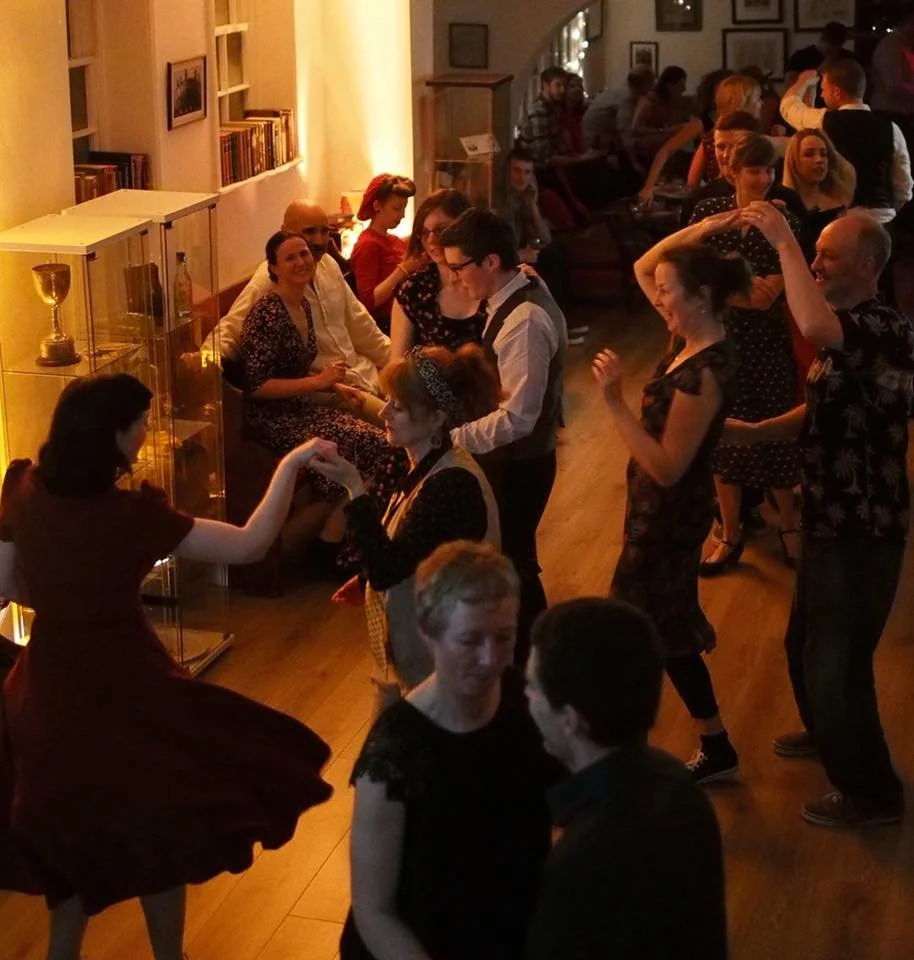
Social dancing is what all the classes are for; it is when people ask each other to dance and try out the moves, rhythms and styling they have been learning, just for the joy of it.
During social dancing there is no teacher at the front; you simply dance with different partners, enjoy the music and build your confidence. You are always free to sit out, chat or take a break. It is as much about community as it is about dancing.
We set aside time for social dancing on Wednesdays after each class, as this is when you really consolidate what you’ve learned and have chance to try it out in the wild. We also run regular social dance events and especially encourage new beginners to come along. Social dancing is the quickest, most enjoyable way to improve your skills and to get to know everyone in our friendly community.
-
You are very welcome. A lot of our dancers started out feeling exactly the same way.
Our Fundamentals classes are designed for complete beginners and we break things down into clear, simple steps. You will learn how to find the beat in the music, how to move comfortably with a partner and how to build up basic moves one idea at a time.
You do not need to “be good at dancing” before you arrive. If you can walk, listen to music and are willing to laugh when things go wrong, you have everything you need to get started.
-
We are a small, community-run organisation. This means we do not have the resources to monitor individual health conditions or to provide tailored medical advice. You are responsible for your own health and wellbeing while dancing with us.
You are warmly encouraged to:
• Listen to your body and adapt movements to a level that feels safe for you.
• Take breaks, sit out a song or leave class early if you need to.
• Talk to your teacher before class if there is something simple we can bear in mind.If you have any medical concerns, please speak to a health professional before joining in. Our classes involve light to moderate physical activity, changes of direction and partner contact.
If you have specific access needs, you are welcome to contact us in advance so we can let you know what is realistically possible in our current venues and class formats.
-
Swing Dance Cumbria is primarily an adult dance community. Our regular classes are designed for adults and are not suitable for younger children.
We do welcome older teenagers who are keen to learn, typically when they:
• Are comfortable participating in an adult class environment.
• Attend with a parent, guardian or trusted adult, or have their consent to attend independently.We have a safeguarding policy in place and use volunteers with enhanced DBS checks for any activities that involve children and young people. If you are unsure whether a class is suitable for you or for a young person in your care, please contact us and we can talk it through.